
The Art of Sound Production
Comparing Dr. Dre and Metro Boomin involves examining their influence and innovation in hip-hop across different generations. Dr. Dre, a cornerstone of West Coast rap, revolutionized the genre with his introduction of gangsta rap and G-funk in the late 1980s and early 1990s. His meticulous production style, characterized by rich, layered sounds, set a new standard for hip-hop and influenced countless artists. Beyond his production, Dre's ability to identify and nurture talent has been pivotal, shaping the careers of many prominent figures in the music industry.
Metro Boomin, emerging in the 2010s, has become synonymous with the modern trap sound. His signature style, marked by dark, melodic beats and heavy 808s, has defined contemporary hip-hop. Metro's work has not only dominated the charts but also set trends, influencing the soundscape of an entire generation of producers and artists. His adaptability and keen sense for what resonates with modern audiences have made him a key figure in today's music scene.
Ultimately, declaring one as "better" is subjective and depends on one's criteria for greatness. Dr. Dre's influence is rooted in his foundational role in hip-hop's evolution and his longevity, while Metro Boomin's impact lies in his modern innovation and shaping of current music trends. Both are exceptional in their own right, representing the best of their respective eras.
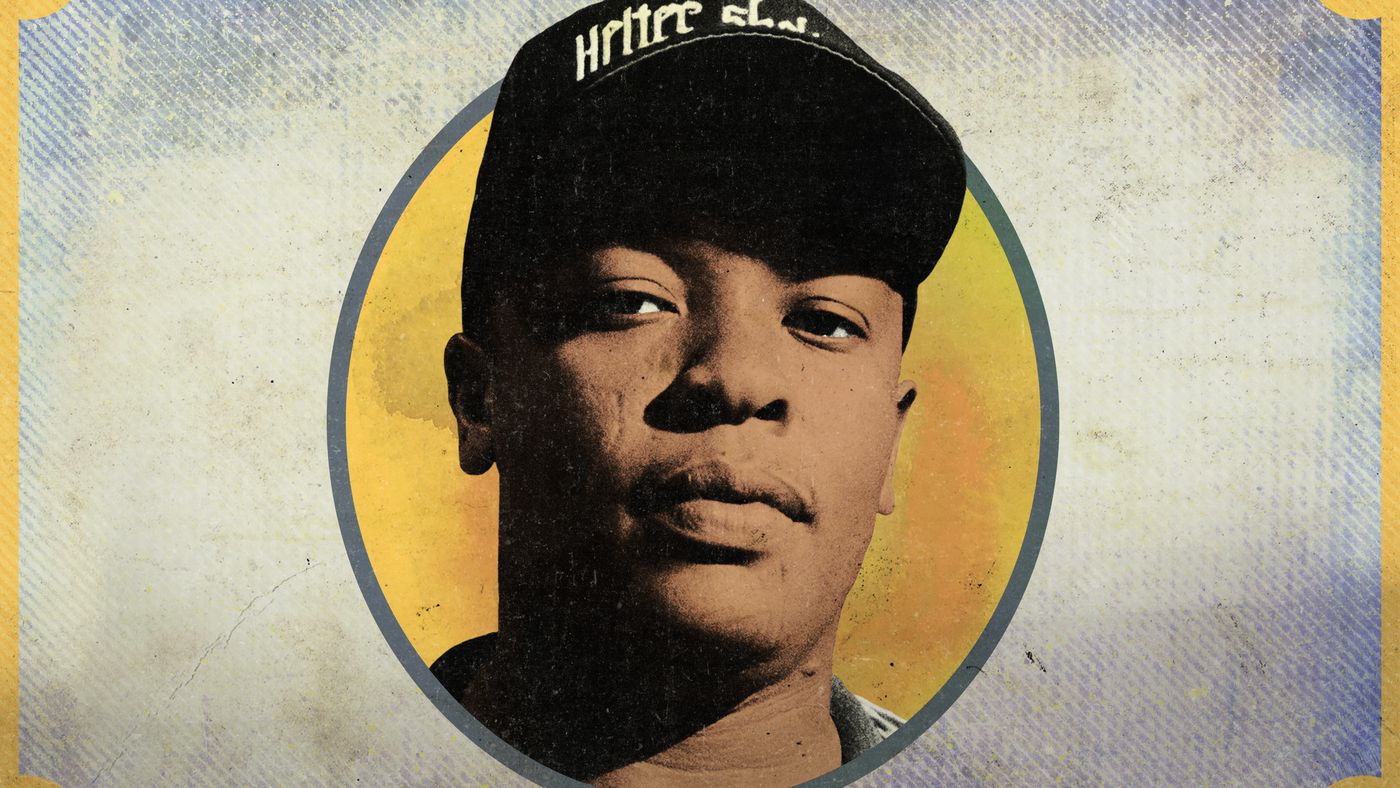
Dr. DRE
Dr. Dre, born Andre Romelle Young on February 18, 1965, in Compton, California, is a crucial figure in the evolution of hip-hop and modern music production. His journey to fame began in the mid-1980s as a member of the World Class Wreckin' Cru, but his big break came with the formation of N.W.A in 1986. Alongside Ice Cube, Eazy-E, MC Ren, and DJ Yella, Dr. Dre revolutionized the music industry with their controversial and influential album, "Straight Outta Compton" (1988), which brought rap into the mainstream. After N.W.A disbanded in 1991, Dre launched his solo career with the groundbreaking album "The Chronic" in 1992. This album introduced the G-funk sound, characterized by lush synthesizers, slow, heavy beats, and melodic hooks, solidifying Dre's status as a production genius. "The Chronic" produced hits like "Let Me Ride," and established the careers of protégés such as Snoop Dogg.
In 1996, Dre co-founded Aftermath Entertainment, where he discovered and mentored iconic artists like Eminem and 50 Cent, further cementing his legacy. His business extended beyond music with ventures like Beats by Dre, which was acquired by Apple in 2014 for $3 billion. Dr. Dre's influence spans over three decades, making him a pivotal architect of contemporary hip-hop.

Metro Boomin
Metro Boomin, or Leland Tyler Wayne, was born on September 16, 1993, in St. Louis, Missouri He is a prominent figure in the modern hip-hop landscape, known for his distinctive production style and influential beats. His journey to fame began in his teenage years when he started making beats at the age of 13. By leveraging social media platforms like Twitter, he connected with various artists, sending beats and building relationships that would later catapult him into the spotlight. In 2012, Metro Boomin moved to Atlanta, a pivotal decision that immersed him in the heart of the hip-hop scene. His big break came through his collaborations with rapper Future, producing several hits on the mixtape "Monster" (2014) and the album "DS2" (2015). The success of tracks like "Jumpman," co-produced with Southside for Drake and Future's joint mixtape "What a Time to Be Alive," solidified his reputation as a top-tier producer.
Metro continued to dominate the charts with his 2018 debut solo album "Not All Heroes Wear Capes," which showcased his versatility and further cemented his status in the industry. His work has defined the sound of modern trap music, making him one of the most sought-after producers of his generation.